There is a story behind the name āta.
I first used it many years ago when I was involved in taking fresh New Zealand milk to China. At the time, I was living and working in Gisborne, on the east coast of New Zealand, considered one of the first places in the world to see the sun and the beginning of a new day.
The name āta reflected that: the new dawn, a fresh start, a new beginning.
I couldn’t have known it then, but it has become an increasingly appropriate name for work I have spent much of my life pursuing.
Today the name has changed from āta Regenerative to simply āta, qualified by the words Verified Regenerative.
It might look like a small branding change. For me, it represents something much bigger.
It reflects a journey that began with animal health, expanded to the health of farmers and families, then to the land, and ultimately to an understanding that none of these can be separated.
It has been a lifetime of finding the pieces and understanding how they fit together.
It started with animal health
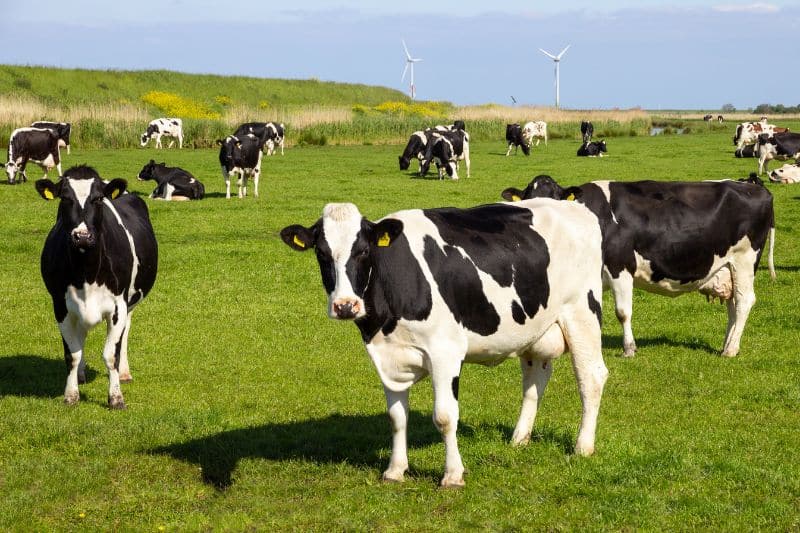
I trained as a veterinarian and spent much of my early career working in the dairy industry.
The veterinary practice I developed wasn’t conventional. It focused on the whole farm. Prevention was more important than simply treating disease, and the service was built around each individual farmer and their particular situation.
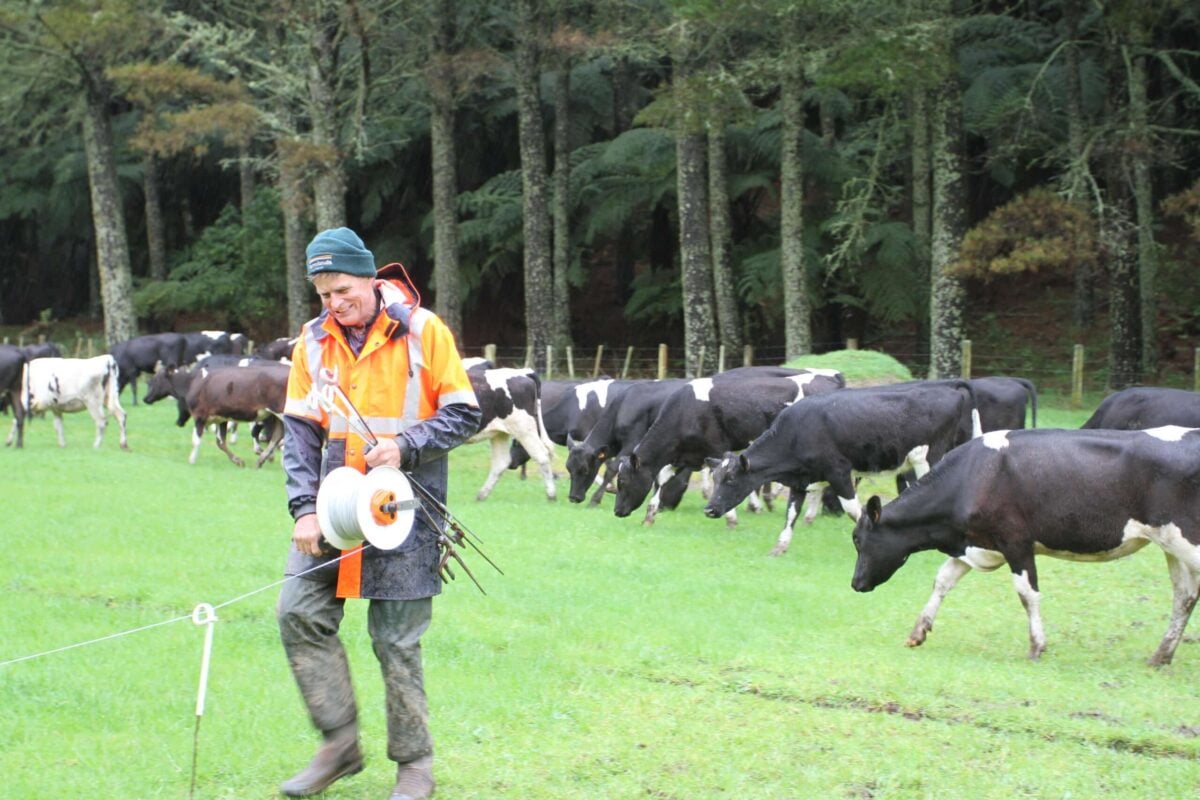
Every farm was different. Every farmer was different. I, or one of the veterinarians working with me, would visit each farm every month. Sometimes there was a specific veterinary reason. Sometimes there wasn’t. Sometimes it was simply a chance to sit down over a cup of tea and ask how things were going.
That relationship was key. It provided context I could never have gained by simply turning up for routine veterinary work or an emergency.
It also became increasingly clear that animal health was only one part of the picture.
Farming places enormous pressure on people and families. This led me to establish a research project looking at the health and wellbeing of people working in the dairy industry. It became much more extensive than originally envisaged, eventually covering around 10% of New Zealand’s large dairy herds.
The results made one thing very clear: I couldn’t think about the health of a farming system without considering the health of the people within it.
That lesson has never left me.
But I was still treating parts of the system
There was another lesson that took longer.
I thought I was doing things differently, and in many ways I was. I was focused on prevention, building relationships and looking beyond the immediate problem to understand why it had occurred.
But I was still applying my veterinary training within a farming system that was becoming increasingly extractive. I was still reacting to problems rather than creating health. An issue might be resolved one year only to return the next.
I was missing something. Eventually the question changed from how do I fix this problem? to:
What is happening to the health of the whole system?
That changed everything.
I began looking beyond the obvious. What was changing in the herd and across the farm? What was happening beneath our feet? How was water moving through the landscape? What were the consequences of increasing inputs and simplifying biological systems? And what did all of this mean for the people managing the farm?
I began to understand that treating symptoms, even preventatively, wasn’t necessarily creating health.
To make real progress, I had to let go of some conventional thinking and start seeing the farm as a living system.
Finding more of the pieces
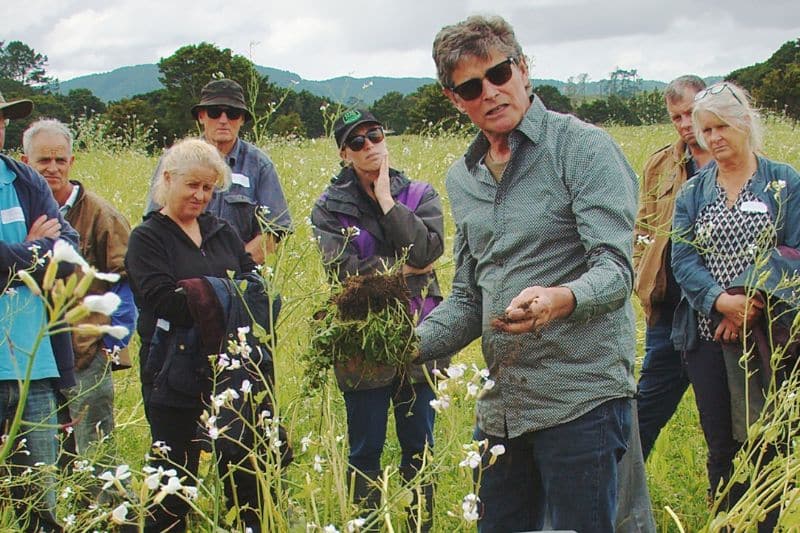
Allan Savoury and the Savoury Institute, and later Tre’ Cates and nRhythm, were important influences in developing my understanding of Holistic Management, living systems and regenerative design.
What interested me wasn’t another farming prescription. It was a way of understanding complexity and working with it to create healthier outcomes.
A farm is a living system with the inherent capacity to self-maintain and self-regenerate. Its health relies on the interconnection of its parts: soil, plants, animals, water, people, community and economics. Disrupt one part, and there will be consequences elsewhere, often unintended.
And every farm is unique. I had already learned that in veterinary practice. The same answer couldn’t be applied to every farmer because the context was never the same.
Regenerative agriculture is no different.
There cannot be a universal recipe. The role isn’t to tell farmers what to do next. It is to help them understand the whole they are managing, make decisions appropriate to their context, and observe the outcomes.
Which raises an obvious question: How do we know whether the land is actually getting healthier?
From believing to measuring
That question led me to Ecological Outcome Verification (EOV).
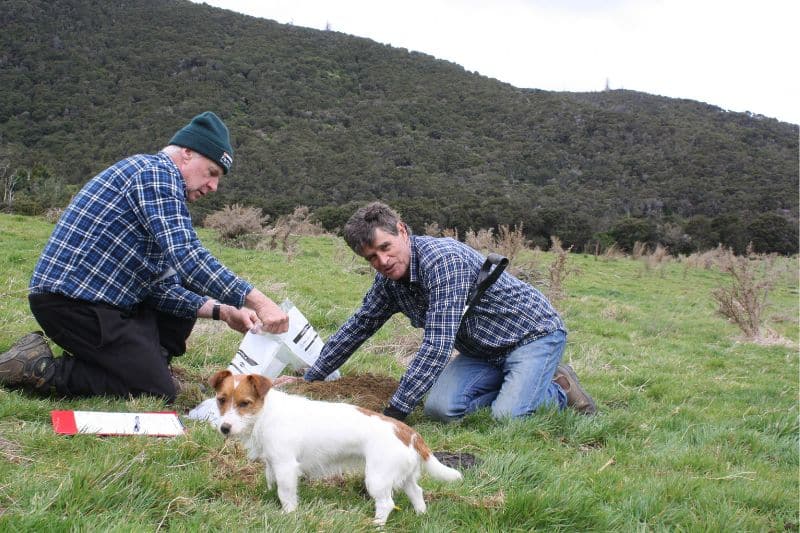
Through my work with the Savory Institute, I learned to measure the impact of management on the ecological health of land.
This was an important distinction.
Rather than verifying that a farmer followed a particular set of inputs and practices, I could measure the ecological outcomes of those practices. By monitoring biological indicators across time, it became possible to see whether land was regenerating or degenerating under management.
I brought EOV to New Zealand as part of the Savory Hub Network and have now been doing this work here for nine years. It has reinforced something I first began learning as a veterinarian:
Health is an outcome of the way the whole system is functioning.
You cannot create it by continually reacting to individual symptoms.
So, what does regenerative mean?
For me, regenerative is not a particular farming system, certification or collection of prescribed practices.
It is a mindset. Are we making decisions as part of nature, or at the expense of nature?
And do measurements of management outcomes show the system becoming healthier over time?
Is the soil functioning better? Is rainfall being absorbed and retained? Is biological diversity increasing? Are animals healthier? Is the business becoming more resilient? Are the people within it able to thrive, not just for a period, but increasingly over time?
These are not separate outcomes. Environmental improvement that leaves the farm economically unviable isn’t sustainable. Economic performance that progressively degrades the ecological resource future production depends on isn’t sustainable either.
And neither is enough if the people within the system are struggling.
Social, environmental and economic health are different expressions of the health of the same system.
That is what āta is about.
Why change the name?
āta Regenerative has become simply āta, qualified by Verified Regenerative.
āta hasn’t moved away from regenerative agriculture. It has become clearer about what regeneration actually means and involves. And āta has become bigger than a description of an approach to farming. It represents the vision I am working towards.
The word Verified matters because if we talk about regeneration, we must be prepared to demonstrate that it is actually happening.
There are many definitions of regenerative agriculture and many claims being made about it. I don’t think the contribution of āta should be another argument about which definition is right or which practices qualify.
The approach is simpler: measure what is happening.
If management is regenerating ecological health, we should be able to demonstrate it. If healthier land contributes to healthier animals and ultimately better food, let’s continue asking the questions and building the evidence.
And when the evidence challenges our assumptions, we need to take note and learn from it. That is what Verified Regenerative means to me.
A lifetime of finding the pieces
Looking back, much of my career has been about finding pieces of the same puzzle.
Veterinary medicine taught me about animal health. Working closely with farmers taught me about people, relationships and the uniqueness of every farm. Research into farmer wellbeing showed me that social health couldn’t be separated from the farming system.
Allan Savory and Holistic Management helped me understand the whole. Tre’ Cates and nRhythm deepened my understanding of living systems and regenerative design. EOV gave me a way of measuring how land responds to management.
āta brings those pieces together.
The vision is transformational change in New Zealand agriculture, not by replacing one prescription with another, but by creating farming systems capable of generating greater social, environmental and economic health.
There is still much to learn. That’s part of working with living systems. We need to keep observing, measuring, questioning and learning.
But after a lifetime working around farming and health, one thing has become increasingly clear to me: If we want different outcomes, we have to improve the health of the whole system. The farmer is the key player in this.
Perhaps that is why the name āta still feels right after all these years. It began with the dawn of a new day, a fresh start, a new beginning.
That is still what I am working towards.