


The third in a series on preparing for the 2026 El Niño — this time, on trees and shrubs in the landscape
Before reading, we recommend starting from the beginning:
Article 1: Preparing for El Niño: Introduction to new series – What nine years of EOV monitoring show
Article 2: Preparing for El Niño series 2: Can animals build water resilience in NZ?
The missing functional group
Article two sets out grazing as the tool every farmer already holds, the fastest, most accessible way to build the soil reservoir this whole series comes back to. This article turns to the layer most New Zealand farms are missing altogether: trees.
Nine years of Ecological Outcome Verification (EOV) monitoring across New Zealand farms tracks four ecosystem processes. One of them, Community Dynamics, includes trees and shrubs as a distinct functional group, alongside cool-season grasses and legumes and forbs. Across that monitoring, one pattern holds consistently: trees and shrubs are regularly missing, or present at low levels, on the great majority of farms we’ve measured.
That matters because a resilient landscape isn’t built from one functional group working harder. It’s built from diversity across groups, each doing a job the others can’t. A farm with excellent grass cover and well-managed grazing, but no woody vegetation at all, is still missing a structural layer and that gap shows up as reduced resilience precisely when conditions turn extreme, which is exactly what this El Niño is forecast to bring.
Not just the riparian strip
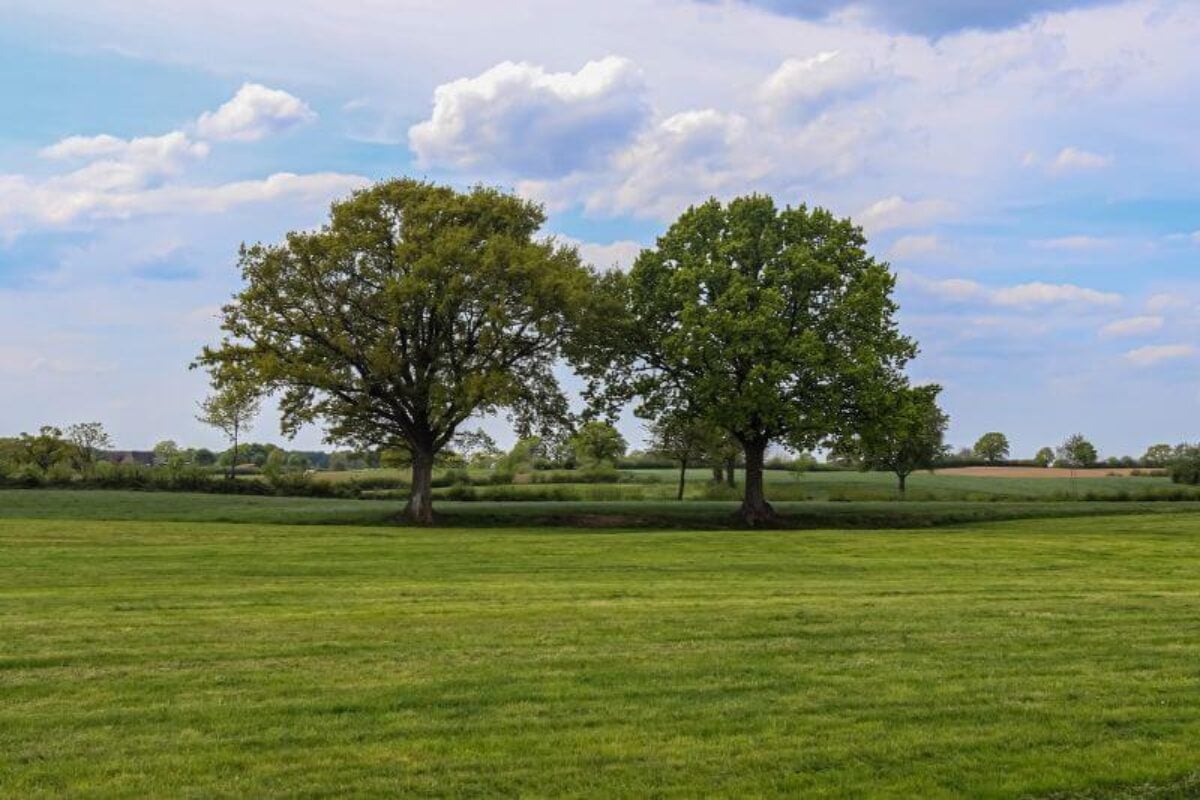
Ask most farmers where the trees are on their property, and the answer is usually the waterway margins, planted for compliance, for bank stability, sometimes for shade near the yards. That’s a reasonable starting point, but it isn’t the same as having trees functioning as part of the farm system.
What we’re looking for is different: trees and shrubs distributed through the productive landscape itself, not fenced off at the edges. That distinction matters because most of what trees actually do for a farm – shelter, shade, improved hydrology, habitat, forage diversity, and carbon drawdown has the most effect when woody biomass is distributed throughout the landscape, not placed only in riparian strips or clumps.
Existing cover isn’t the same as a living system
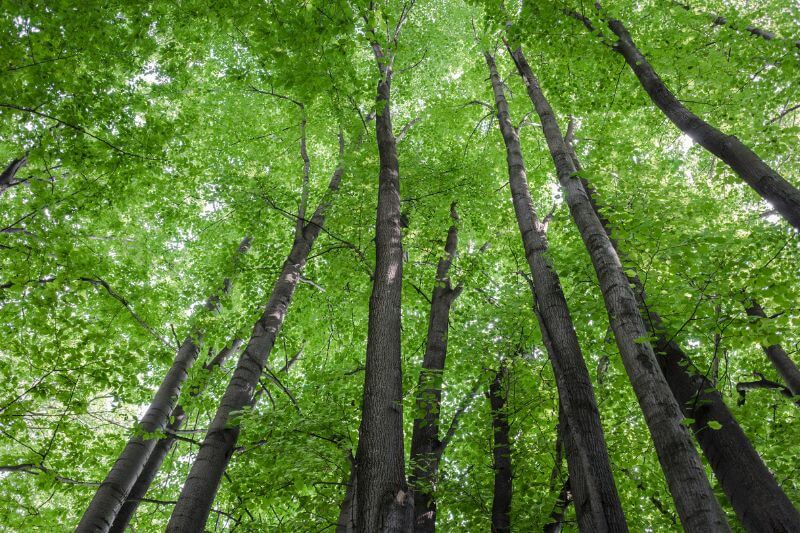
There’s a second, more subtle problem our monitoring reveals: even where farms do have reasonable tree or forest cover, we regularly find scant succession beneath it. Mature trees are present, but there’s no next generation of seedlings and saplings coming through to replace them. When those mature trees eventually die, and on any multi-decade timeframe they will, there’s nothing there to take their place.
That means tree cover that looks adequate today can be a declining asset rather than a stable one. The single biggest reason succession fails on grazed land is straightforward: young trees are exactly the size and palatability that stock browse out before they can establish. Protecting the mature trees already on a farm isn’t enough on its own. Protecting the next generation coming up underneath them determines whether that cover is still there in twenty years. The diversity in age structure also contributes to better health in the system.
What trees actually do and why they’re important
Multifunctional, not single-purpose, is the design principle Lincoln University’s Integral Health Dairy Farm at Ashley Dene has been testing directly, led by Professor Pablo Gregorini. Rather than treating trees as one single-purpose addition, a shelterbelt here, riparian planting there, the Ashley Dene design deliberately distributes clusters of trees and shrubs through the working pasture itself, each filling a diversity of functions.
Shelter and shade. Thermal buffering reduces heat and cold stress on stock, with direct flow-on effects for welfare and production.
Forage diversity and animal wellbeing. Trees and shrubs aren’t just shelter; they’re browse. Gregorini’s research at Ashley Dene points to biochemically diverse plant compounds that appear to support animal self-medication and wellbeing, with associated functionally diverse pasture and browse systems showing production gains averaging around 25% over conventional pasture-only systems.
Windbreak and erosion control. The same bare-ground vulnerability covered in article one, wind and water stripping exposed soil, is reduced directly by the windbreak effect and root structure holding ground in place.
Slowing water at the landscape scale. This is the same principle behind the Mulloon Institute’s natural sequence farming work: trees slow water’s movement across and through a landscape, rather than letting it concentrate into fast, erosive flow. Distributed through gullies, natural drainage lines, and slopes, trees intercept rainfall, slow surface flow, and spread it out, giving water time to infiltrate rather than rushing off as runoff and flood peaks. For the wetter west this El Niño may bring, that’s a direct line of protection against the torrential-rain risk covered in article one; for the drier east, it’s what keeps whatever rain does fall on the property longer, instead of losing it fast as runoff. Erosion is one of the major negative outcomes of animal agriculture, with Earth Sciences New Zealand (formerly NIWA) reporting the loss of around 200 tonnes of topsoil per hectare per year.
Deepening the water cycle (hydrology). Tree roots reach depths and moisture pasture roots can’t, extending the reservoir concept from article one vertically as well as across the surface.
Habitat and biodiversity. Separate Lincoln University research on reintegrating native woody vegetation into New Zealand farms identifies the same multifunctional logic independently: better livestock foraging and shelter, alongside restored habitat for native birds and other fauna, from the same plantings.
Nutrient cycling. Litter and deep-root nutrient capture cycles nutrients that other plants on the farm can’t reach. The additional in-ground infrastructure provided by trees and shrubs creates conditions for a healthier, more diverse soil microbiome, resulting in increased nutrient capture and cycling.
Carbon, above and below ground. Woody vegetation captures carbon in the standing tree itself, and international silvopasture research also links the presence of trees to higher soil organic carbon in the pasture growing beneath and around them. The primary case for integrating trees is landscape function, not carbon accounting, but it’s a genuine co-benefit worth naming.
| THE ASHLEY DENE EXAMPLE Multifunctional browsing sites, not single-purpose plantings. Lincoln’s Integral Health Dairy Farm distributes small clusters of trees and shrubs through the working pasture, shelter, forage, and biochemical diversity in one planting, not three separate ones. It’s a working demonstration of exactly the shift this article is asking for: trees as part of the system, not fenced off from it. |
Applying this to El Niño preparation
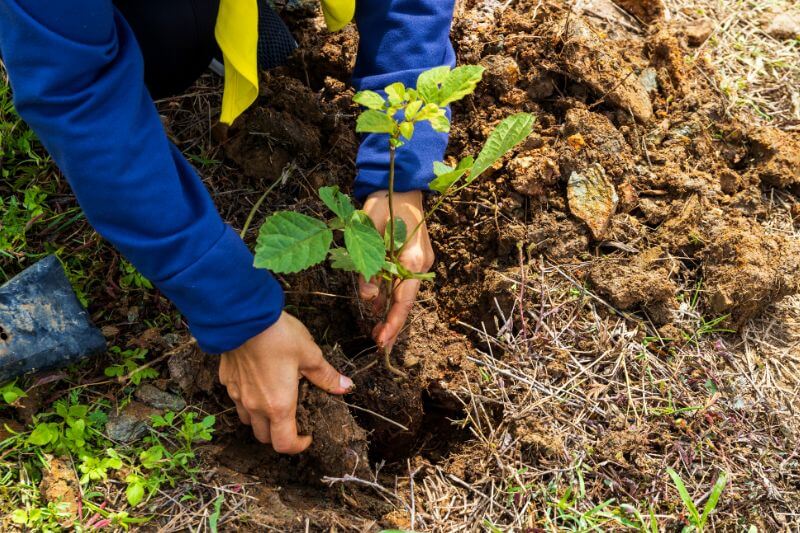
Unlike grazing, tree establishment isn’t a same-season lever. The benefit plays out over years, not weeks. But the timing of this article isn’t accidental. Winter is New Zealand’s tree-planting season, and it’s underway right now. The old adage applies directly: the best time to plant a tree was twenty years ago; the next best time is now. Whatever goes in this winter starts building toward the shelter, water-slowing, and habitat function this article has covered. Delay it, and that planting simply hasn’t started a year from now, right when the next dry or wet extreme is testing the farm again.
- Plant this winter, while it’s the season — it’s a long-term outcome either way, so there’s no benefit in waiting for a better moment that isn’t coming. This window is it.
- Identify priority planting sites distributed through the working landscape, not only the riparian margin, and get them in the ground while the season allows it.
- Protect the next generation, not just the mature trees — grazing management that keeps stock away from young, emerging seedlings and saplings, not only the established trees already on the farm. This is what actually determines whether cover today is still there in twenty years.
- Use existing shelter deliberately wherever it already exists, to reduce heat stress on stock through the dry months ahead.
The bigger structural gain, a farm with trees genuinely functioning as part of the system, is a multi-year design project, not a response to a single event. This El Niño and this planting season are as good a reason as any to start now rather than next year.
Where this series goes next
This article closes out the core landscape components this series set out to cover: soil, grazing, and now trees. Cropping management remains an open candidate if there’s appetite to keep building the series. But the core mechanism has now been fully laid out: a farm’s resilience to this El Niño isn’t determined by the weather. It’s decided by how many of these interconnected pieces, including soil, grazing, and trees, are already working together as one system.
Is your farm missing the functional layer that could protect it this El Niño?
Āta Regenerative’s Ecological Outcome Verification (EOV) programme measures Community Dynamics across your farm, including whether trees and shrubs are present, functioning, and regenerating. It’s the difference between assuming your land is resilient and knowing it is.
If this series has raised questions about your own farm, now is the time to find out where you stand.
We welcome you to get in touch with the Āta Regenerative team to explore how EOV can help you understand your land, measure what’s working, and build a more resilient farm system before conditions turn extreme.